“defective coffee beans” search results (3000)

Which coffee common sense belongs to the defective beans that affect the flavor of high-quality coffee?
Moldy beans: cyan and white bacteria grow because they are not completely dry or are too wet during transportation and preservation, which will make the whole cup of coffee mildew if mixed into roasting and grinding. Fermented beans: there are two main causes: one is the process of soaking in a washing fermentation tank, which is formed by water pollution, and the other is that the moisture in the warehouse makes it ferment and make the beans.
2014-12-20 Coffee common sense which belong to influence quality flavor defects beans mildew
One of the goals of high-quality coffee is to show the representative flavor and characteristics of the producing area.
Anyone who has baked coffee knows that no matter how good the boutique manor coffee is, even the COE award-winning coffee will inevitably be mixed with a small amount of defective beans. So sometimes in pursuit of a better flavor, roasters pick up coffee beans that are noticeably flawed before or after roasting. Ethiopia is the hometown of coffee, and there are still a large number of native species of coffee.
2016-06-12 Existing representative sexual producing area flavor characteristics boutique coffee pursuit goal
Selection of coffee beans
In short, when choosing green coffee beans, beans with uniform shape, thickness, size, color, center line and so on are the best. In short, an average bean is a good bean. Unfortunately, such beans are extremely rare.
2014-05-13 coffee knowledge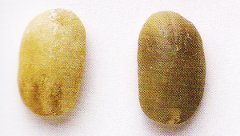
How to choose coffee beans by hand
Apples don't taste different because of size, which I agree with, but in the roasting of coffee beans, it doesn't matter if they're heated anyway. Coffee beans harvested from the same tree, regardless of size
2014-12-28 coffee beans buy basics common sense how to hand pick coffee green beans apples taste
Introduction to the classification of boutique Kenyan coffee
◎ grades defective beans by the number of points, which is the earliest method of grading, and is still in use in many parts of Brazil. The method of identification is to randomly take 300 grams of samples and put them on black paper, because black paper can best avoid reflection. Then, examined carefully by the professional appraiser, find out the defective beans in the sample, and accumulate different scores according to the types of defects. For example, one black bean counts as one.
2016-06-23 Boutique Kenya coffee grades classification methods introduction handling defects
Coffee grades introduction Coffee Grade introduction Fine Coffee beans
◎ grades defective beans by the number of points, which is the earliest method of grading, and is still in use in many parts of Brazil. The method of identification is to randomly take 300 grams of samples and put them on black paper, because black paper can best avoid reflection. Then, examined carefully by the professional appraiser, find out the defective beans in the sample, and accumulate different scores according to the types of defects. For example, one black bean counts as one.
2016-06-24 Coffee grade division introduction boutique coffee beans defects points grading is the most
Knowledge of fine coffee, how to classify raw coffee beans
Level 1: special product defects: 0-5 do not allow to contain obvious defects total sample weight: 300 grams sample size difference: less than 5% 5% or so, or within the specified range of appreciation features: must be at least a little outstanding in the following characteristics: taste, sour taste, taste, aroma. The characteristics will be determined by both the buyer and the seller. After cup testing and appreciation, there are no defects. Baking difference
2014-09-03 Coffee knowledge coffee bean classification
What exactly does the name of coffee mean?
1. What is the amount of information contained in the name of the raw coffee bean? 2. Why is it that sometimes the manor comes first in the name of the coffee bean, and sometimes the description of the treatment and grade is interspersed with it? what is the naming rule? Is there a uniform standard? 3. How to see the grade from the name of the raw coffee bean? This article will provide an in-depth answer to how to treat the naming of coffee beans, and
2016-08-25 Coffee name exactly what does it mean?
SCAA cup test manual and raw bean defect manual
[Cup testing environmental apparatus equipment] description of ① cup measuring cups and bowls: SCAA recommended cups are tempered glass or porcelain cups with a capacity of 207-266ml and 76-89mm lids of any material. all utensils should be clean, odorless, of the same specifications and materials (for example, glass cups and porcelain bowls cannot be mixed with different capacities) [cup test sample preparation] baking 1
2016-04-25 SCAA cup test manual raw beans defects environment utensils equipment with
American Specialty Coffee Association Green Coffee Bean Classification Description
Grade 1: Excellent grade Defects: 0-5 No visible defects allowed Total weight of sample: 300 g Sample size variation: less than 5%, about 5%, or within the specified range Appreciation characteristics: Must be outstanding in at least one of the following characteristics: taste, acidity, taste, aroma. The characteristics will be determined jointly by the buyer and seller. After cup testing, there are no defects. baking error
2014-11-12 Coffee knowledge Coffee association Green coffee beans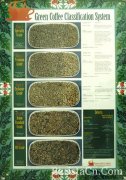
Classification of raw coffee beans
Level 1: special product defects: 0-5 do not allow to contain obvious defects total sample weight: 300 grams sample size difference: less than 5% 5% or so, or within the specified range of appreciation features: must be at least a little outstanding in the following characteristics: taste, sour taste, taste, aroma. The characteristics will be determined by both the buyer and the seller. After cup testing and appreciation, there are no defects. Baking difference
2014-08-04 Coffee knowledge coffee raw beans coffee classification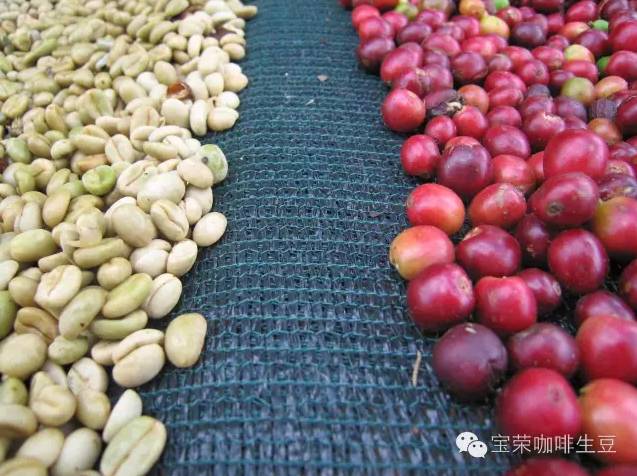
Read through the amount of information in the name of raw coffee beans
When we come into contact with coffee beans, we often see descriptions such as: Manning G1, GAYO Mountains, Aceh District, Sumatra, Indonesia. Do you often have the following questions: 1. What is the amount of information contained in the names of raw coffee beans? 2. Why sometimes the manor comes first in the name of coffee beans, and sometimes the description of treatment and grade is interspersed with its
2016-07-12 Read coffee raw bean name including what the amount of information
Explanation on how to classify high-quality coffee and raw beans
Level 1: special product defects: 0-5 do not allow to contain obvious defects total sample weight: 300 grams sample size difference: less than 5% 5% or so, or within the specified range of appreciation features: must be at least a little outstanding in the following characteristics: taste, sour taste, taste, aroma. The characteristics will be determined by both the buyer and the seller. After cup testing and appreciation, there are no defects. Baking difference
2014-09-10 Coffee knowledge coffee bean grading coffee raw beans
Common sense of defective beans affecting the flavor of high-quality coffee
Moldy beans: cyan and white bacteria grow because they are not completely dry or are too wet during transportation and preservation, which will make the whole cup of coffee mildew if mixed into roasting and grinding. Fermented beans: there are two main causes: one is the process of soaking in a washing fermentation tank, which is formed by water pollution, and the other is that the moisture in the warehouse makes it ferment and make the beans.
2015-05-15 Impact quality coffee flavor imperfections common sense mildew because dry incomplete
Selection and hand selection of raw coffee beans
I agree that apples don't taste different because of their size, but when it comes to roasting coffee beans, "it's all heated anyway, and it doesn't matter if the coffee beans are different in size." I can't agree. Coffee beans harvested from the same tree, regardless of particle size, mature or immature, will produce uneven baked products if they are all baked in the same pot.
2014-07-04 Coffee knowledge coffee raw beans coffee beans selection coffee beans hand selection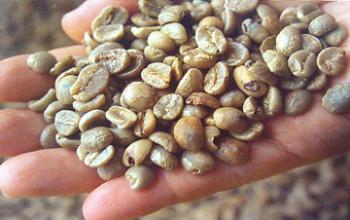
Detailed introduction of coffee beans: introduction of the classification characteristics and shapes of several kinds of defective beans
Coffee training several kinds of defective beans introduce moldy beans: because of incomplete drying, or damp during transportation and storage, cyan and white molds grow, which sometimes make the beans stick together. If these moldy beans are not removed, they will produce a moldy smell. Dead beans: beans with abnormal results. The color is not easy to change because of baking, so it is easy to distinguish. The flavor is thin, with silver skin
2015-12-23 Coffee beans details introduction several defects classification features shapes differences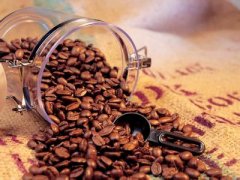
Manual inspection of defective beans for hand selection of high-quality coffee beans
With reference to the origin and grading, grab the raw beans with your hands and check their appearance. The feeling of the hand is very important. Judging from the appearance of raw beans, their quality must have some experience, at the same time, it is difficult to set standards. The color has no difference in uniform light green, with luster. Also take into account the changes in color after harvest. The shape requires uniform and neat particles, and there should be no deformed beans.
2014-12-29 Boutique coffee beans hand selection defects handicraft inspection reference origin grade division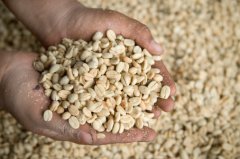
How to choose coffee beans
The taste of raw beans and apples before selection will not vary according to their size. I agree with this sentence, but I disagree with the roasting of coffee beans. Anyway, they are all heated. It doesn't matter if the coffee beans vary in size. Coffee beans harvested from the same tree, regardless of size
2014-11-11 Coffee knowledge coffee knowledge hand-selected coffee beans
How to identify defective coffee beans and how to choose coffee beans that suit your taste
Damage to the refining process, such as shelling, washing, etc., sometimes the damaged edges will turn black. It has the taste of fermentation, mildew, soil and so on, and it is also easy to carbonize and produce scorched taste when baking. Affect the appearance of cooked beans, too much carbonized ingredients will have an adverse effect on health. Other foreign bodies are non-coffee impurities, including branches, stones, copper plates, etc. Produce all kinds of odors. Unfortunately, based on
2016-05-22 How to identify defects coffee beans selection fit oneself taste refinement process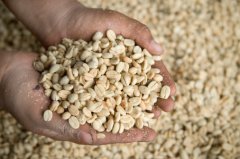
How to hand-select coffee raw beans
I agree that the taste of raw beans and apples before selection will not be different because of their size, but when it comes to the roasting of coffee beans, they should be heated anyway, and it doesn't matter if the size of coffee beans is different. Coffee beans harvested from the same tree, regardless of size
2015-06-01 How to hand-selected coffee raw beans